Garlic: Health Benefits for Heart, Brain, and Immune System
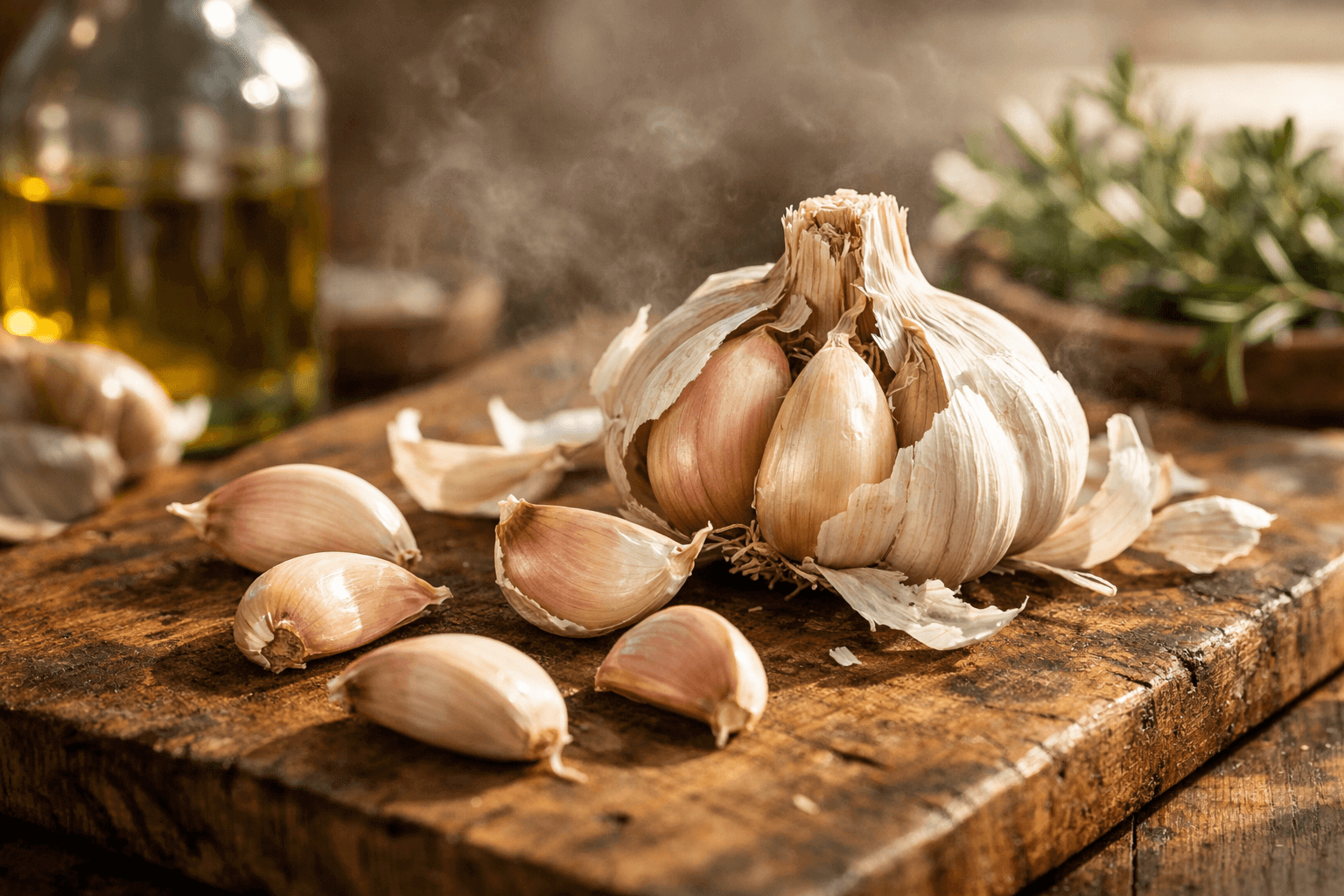
The Ancient Superfood That Protects the Heart, Brain, and Immune System
Garlic is far more than a flavor enhancer.
It is one of the most researched medicinal foods in human history — used for thousands of years and now strongly supported by modern science.
From ancient civilizations to today’s clinical studies, garlic has earned its reputation as a true functional superfood, linked to heart protection, immune strength, brain health, and longevity.
This article explains why garlic works, how it affects the body at a cellular level, and how to use it correctly to unlock its full health benefits.
the long history of garlic as medicine
Garlic has been used as medicine for over five thousand years.
In Ancient Egypt, garlic was given to workers building the pyramids to increase strength and endurance.
Hippocrates, often called the father of medicine, prescribed garlic for infections and digestive problems.
In Ancient Greece and Rome, soldiers consumed garlic before battle for stamina and resilience.
Traditional Chinese and Ayurvedic medicine used garlic to support digestion, circulation, and respiratory health.
What ancient cultures observed through experience, modern science now confirms through laboratory and clinical research.
garlic’s active compounds and why they matter
Garlic’s health power comes from its unique sulfur-containing compounds.
the most important compound: allicin
When garlic is chopped, crushed, or chewed, a compound called allicin is formed.
Allicin is responsible for:
garlic’s strong aroma
its antimicrobial properties
many of its cardiovascular and immune benefits
However, allicin is unstable and breaks down quickly.
This means how garlic is prepared matters enormously.
garlic and heart health
Garlic is one of the most studied foods for cardiovascular protection.
how garlic supports the heart
Scientific studies show that garlic may:
help reduce LDL cholesterol
improve blood vessel flexibility
support healthy blood pressure
reduce oxidative stress in the arteries
Garlic supports the production of nitric oxide, a molecule that helps blood vessels relax and improves circulation.
This combination reduces strain on the heart and supports long-term cardiovascular health — especially important after the age of fifty.
garlic and blood pressure regulation
Multiple clinical trials have found that regular garlic consumption can lead to modest but meaningful reductions in blood pressure, particularly in people with elevated levels.
Garlic does not act like a drug.
Instead, it works gently by:
improving endothelial function
reducing inflammation
supporting balanced vascular tone
This makes it a valuable dietary tool alongside a healthy lifestyle.
garlic’s role in immune defense
Garlic is one of nature’s most powerful immune-supporting foods.
immune benefits of garlic
Garlic has been shown to:
enhance immune cell activity
reduce the severity and duration of common colds
exhibit antibacterial and antiviral properties
Allicin and related compounds help the immune system respond more efficiently to pathogens, without overstimulating inflammation.
This makes garlic especially useful during seasonal illness periods and for long-term immune resilience.
garlic and brain health
Emerging research suggests garlic may also support brain function and cognitive health.
Garlic’s antioxidants help protect brain cells from oxidative damage, a process linked to aging and neurodegenerative conditions.
Additionally, garlic supports healthy blood flow to the brain — a key factor in maintaining memory, focus, and mental clarity over time.
garlic, inflammation, and aging
Chronic low-grade inflammation is one of the main drivers of aging and age-related disease.
Garlic contains compounds that:
reduce inflammatory markers
neutralize free radicals
support cellular repair mechanisms
By lowering oxidative stress, garlic contributes to healthier aging and may help protect multiple organs simultaneously.
how to use garlic correctly for maximum benefit
This is where many people make mistakes.
raw vs cooked garlic
Raw garlic preserves the highest allicin content
Cooking garlic immediately can destroy much of its active compounds
the correct method
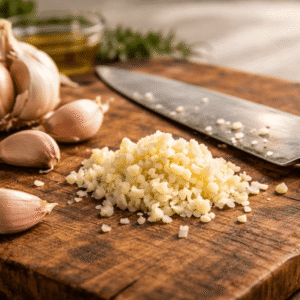
Crush or finely chop fresh garlic
Let it rest for ten minutes
Then consume it raw or add it gently to food
This resting period allows allicin to fully form.
how much garlic should you consume
Most studies suggest benefits with:
one to two cloves of garlic per day
More is not always better.
Consistency matters more than quantity.
If raw garlic is too strong, lightly cooked garlic still offers benefits — just less concentrated.
who should be cautious with garlic
Garlic is safe for most people, but caution is advised for:
individuals taking blood-thinning medication
people with sensitive digestive systems
those preparing for surgery
In these cases, moderation and professional guidance are recommended.
garlic as a true functional superfood
Garlic is not a supplement trend.
It is a nutritional foundation with deep historical roots and strong scientific support.
When used correctly, garlic:
supports heart health
strengthens immune defense
protects brain function
contributes to healthier aging
It is simple, affordable, and remarkably powerful — a rare combination in modern nutrition.
final thoughts
Garlic proves that some of the most effective health tools are also the oldest.
In a world full of expensive supplements and complex solutions, a single clove of garlic remains one of the most reliable allies for long-term health.