
Cholesterol: What Really Matters for Heart Health After 50
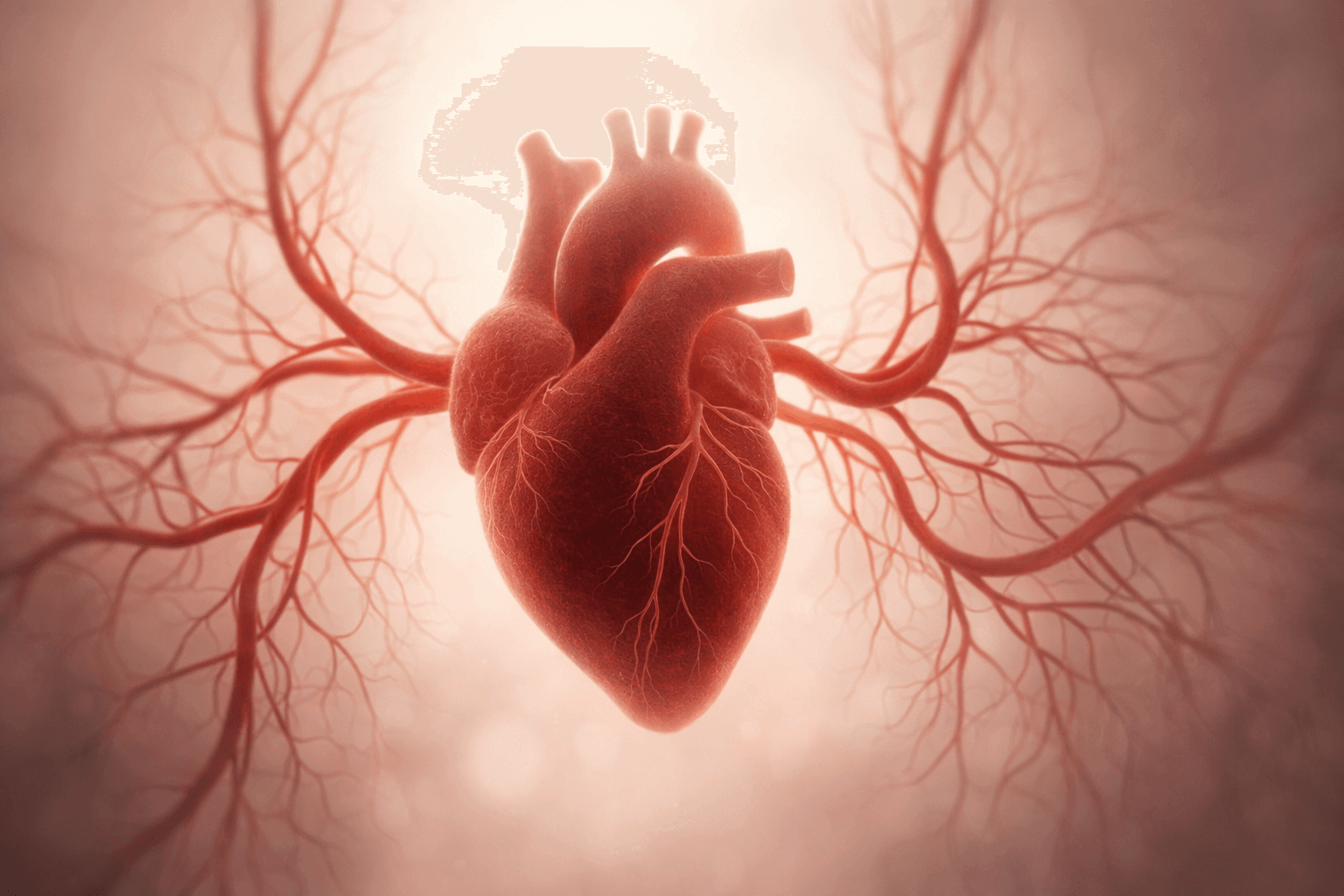
Cholesterol: The Truth That Matters for Heart Health After 50
avoiding healthy fats, and focusing on a single lab number — while missing what actually predicts cardiovascular risk.
The science is more nuanced: cholesterol itself is essential, and risk depends heavily on how lipoproteins behave,
your metabolic health, and what is happening inside aging blood vessels.
why cholesterol still confuses millions of people
For decades, cholesterol was treated as the direct cause of clogged arteries. That created a cultural reflex:
“high cholesterol equals danger, low cholesterol equals safety.” But two people can have the same total cholesterol and very different risk.
What matters more is the pattern: triglycerides, HDL, LDL behavior, inflammation, insulin resistance, and the condition of the arterial wall.
If you want a practical approach: keep cholesterol in the picture, but don’t let it be the entire story.
The goal is not fear. The goal is better risk clarity, especially after midlife.
what is cholesterol
Cholesterol is a waxy, fat-like molecule found in every cell. Your body needs it for cell membranes, hormone production,
vitamin D synthesis, and bile acids that help digest fats. Your liver produces most of it. Dietary cholesterol matters less for most people than once believed,
because the body adjusts production based on needs and intake.
ldl and hdl explained without fear
ldl cholesterol
LDL (low-density lipoprotein) carries cholesterol from the liver to tissues. LDL becomes a problem when particles:
stay in circulation longer, become oxidized, and slip into damaged arterial walls — especially when inflammation is present.
That environment supports plaque formation over time.
hdl cholesterol
HDL (high-density lipoprotein) helps transport cholesterol away from tissues and back to the liver for recycling or removal.
Higher HDL is often associated with lower risk, but function matters more than the number alone.
why total cholesterol is an incomplete marker
Total cholesterol is easy to measure, but it can hide the real pattern. Two people can share the same “total” level and still have opposite profiles:
one with high triglycerides and low HDL (higher metabolic strain), the other with low triglycerides and higher HDL (better metabolic resilience).
This is why many clinicians focus on broader lipid patterns and overall risk — not just a single cholesterol number.
cholesterol and aging arteries
After fifty, arteries naturally lose elasticity. The vessel lining (endothelium) becomes more vulnerable to damage from high blood sugar,
smoking, long-term stress, and oxidative load. LDL particles are more likely to enter and get trapped in a compromised arterial wall —
and that is where inflammation accelerates plaque biology.
In other words: cholesterol is often a participant. The arterial environment is the stage.
food myths that still refuse to die
The biggest myth is that eating cholesterol automatically becomes high blood cholesterol. For most people, it doesn’t work that way.
What often matters more is the dietary pattern: refined carbohydrates, excess added sugars, low fiber intake, and low activity.
eggs, in context
Eggs are a perfect example of outdated fear. For many adults, eggs do not meaningfully worsen LDL profiles, and they provide high-quality protein and choline.
If you want the deeper, food-specific breakdown, link this section internally to your dedicated article:
eggs and heart health.
extra virgin olive oil and lipid behavior
Extra virgin olive oil isn’t “heart healthy” because it magically lowers cholesterol overnight.
It’s supported by patterns of evidence because it helps improve the context in which lipids operate:
less oxidative stress, better endothelial function, and healthier fat replacement compared with ultra-processed fats.
For a full guide, use this internal link:
extra virgin olive oil for heart health.
cholesterol and statins. what the evidence-based view looks like
Statins lower LDL cholesterol and can reduce cardiovascular events — especially in people with higher baseline risk.
The key word is risk. The biggest benefit tends to appear in people with established cardiovascular disease,
diabetes plus additional risk factors, or persistently very high LDL alongside other risk signals.
This does not mean statins are “good” or “bad.” It means they are appropriate in the right context.
Medication choices should always be individualized with a clinician who can assess overall risk.
walking. the underestimated cholesterol regulator
If you want one lifestyle lever that improves cholesterol handling, triglycerides, insulin sensitivity, and vascular function at the same time,
walking is hard to beat. Walking doesn’t just “burn calories.” It improves the way the body manages energy and fat transport.
For your site structure, this is a strong internal hub link:
walking and blood flow after 50.
the triglyceride-to-hdl ratio explained simply
If total cholesterol is the most talked-about number, the triglyceride-to-HDL ratio is the one that often reveals what is really happening.
It’s not a diagnosis. It’s a simple relationship that reflects metabolic strain.
what triglycerides mean, in plain language
Triglycerides are a circulating form of fat that often rises when the body is overloaded with energy — especially from added sugars,
refined carbohydrates, frequent snacking, and alcohol. Persistently higher triglycerides frequently travel with insulin resistance.
what hdl often represents
HDL is sometimes called “good cholesterol,” but practically, it often reflects metabolic resilience: activity levels,
insulin sensitivity, and healthier fat transport. Low HDL commonly shows up in patterns of metabolic slowdown.
why the ratio matters more than either number alone
Think of it like this:
triglycerides are the “incoming metabolic load,” and HDL is part of the “cleanup and transport capacity.”
When triglycerides are high and HDL is low, the system is overwhelmed — and that pattern is often associated with
smaller, denser LDL particles and higher vascular inflammation risk.
a practical way to use this insight
You don’t need extreme dieting to improve the ratio. The biggest wins usually come from:
walking most days, reducing added sugars and refined carbs, prioritizing protein and fiber, using healthy fats like olive oil as replacement fats,
and keeping sleep consistent.
Notice how these “ratio wins” connect directly to your clusters:
eggs (protein support),
olive oil (healthier fat replacement),
and walking (metabolic and vascular support).
This is exactly how you build topical authority in a heart & circulation category.
who should be more careful
Cholesterol deserves closer attention when it appears alongside other risk amplifiers, such as type two diabetes,
metabolic syndrome, strong family history of early cardiovascular disease, or persistently high triglycerides.
In these cases, the lipid pattern often reflects deeper metabolic imbalance — and targeted medical guidance matters.
final takeaway
Cholesterol is not a villain. It’s a vital molecule that becomes risky in specific contexts:
inflammation, insulin resistance, sedentary lifestyle, and aging vessels. If you focus on the bigger pattern —
triglycerides, HDL, movement, food quality, and vascular health — you’ll make calmer, smarter decisions that actually protect the heart.
Educational content only. Not medical advice. If you’re considering medication changes or have symptoms, consult a qualified healthcare professional.
External references (non-affiliate):
Harvard T.H. Chan School of Public Health – The Nutrition Source |
Mayo Clinic – High blood cholesterol

