
Natural Liver and Kidney Detox: The Evidence-Based Guide
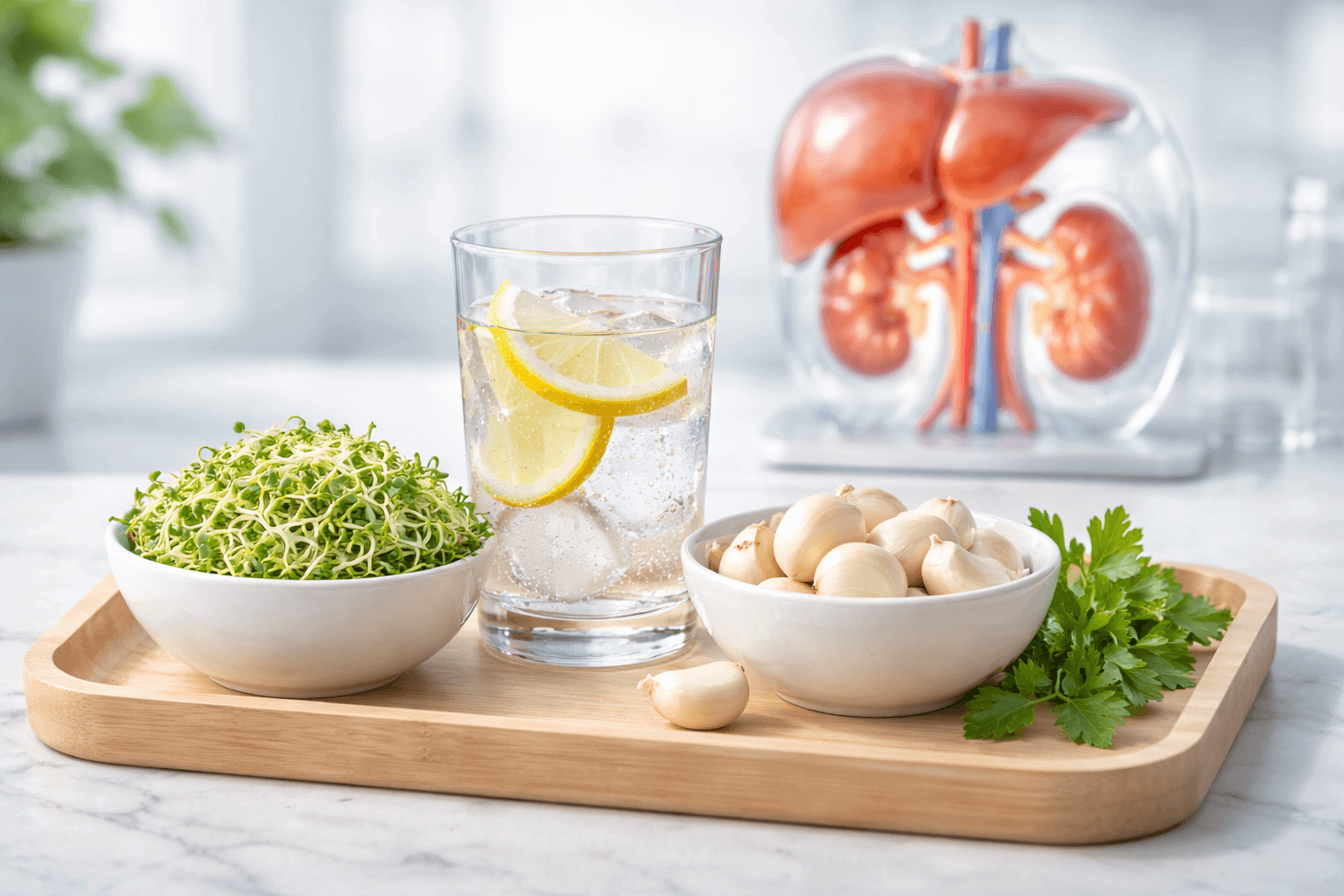
✔
Medical Fact-Check: Verified against Clinical Practice Guidelines (Harvard & NIH) .
The concept of “detoxification” is often shrouded in marketing myths, yet it remains a fundamental biological process governed by the liver, kidneys, and lymphatic system. Scientific natural liver and kidney detox is not about restrictive juice cleanses but about optimizing the Phase I and Phase II metabolic pathways. According to the National Institute of Diabetes and Digestive and Kidney Diseases (NIDDK), the body’s internal filtration system is highly efficient but requires specific nutritional co-factors to combat the modern “toxicant load” from processed foods and environmental pollutants.
Expert Summary
- Enzymatic Induction: Supporting Cytochrome P450 enzymes is the primary goal of a clinical-grade detox.
- Glutathione Primacy: Glutathione is the “Master Antioxidant” required for neutralizing reactive oxygen species (ROS).
- Genomic Influence: Variations in the MTHFR and GST genes can significantly alter individual detoxification capacity.
⚠️ Safety Alert: Sudden “detox protocols” can release heavy metals from adipose tissue into the bloodstream. Individuals with impaired renal function must avoid aggressive fasting and consult a physician.
The Biology of Detox: Phase I and Phase II Pathways
The liver processes toxins in two distinct stages. In Phase I (Functionalization), enzymes like Cytochrome P450 use oxygen to modify toxins. In Phase II (Conjugation), these intermediates are neutralized by adding a molecule (like sulfur or glutathione). Research from Harvard Health emphasizes that the synergy between these phases is what prevents cellular damage.
The Bioavailability of Detox Nutrients: Maximizing Sulforaphane
One of the most potent activators of Phase II detoxification is sulforaphane, found in cruciferous vegetables. However, its formation requires the enzyme myrosinase, which is often destroyed by heat. To maximize bioavailability, one must either consume these vegetables raw or “hack” the process by adding mustard seed powder to cooked broccoli. This enzymatic synergy ensures that the Nrf2 pathway—the body’s primary antioxidant switch—is fully engaged for a successful natural liver and kidney detox.
Nutrigenomics: How Genes Like MTHFR Affect Detox
Individual detoxification capacity is largely dictated by genetics. Genetic polymorphisms in the MTHFR (Methylenetetrahydrofolate Reductase) gene can impair methylation, a key Phase II process. Furthermore, variations in the GST (Glutathione S-Transferase) genes determine how efficiently your body utilizes glutathione to neutralize pollutants. According to the National Library of Medicine, tailoring nutrition to your genetic profile is the future of preventative medicine.
Chronobiology & Organ Filtration: Timing Your Detox
Our organs follow a strict circadian rhythm. The liver’s detoxification activity peaks during the early hours of the morning (1 AM – 3 AM), while the kidneys maintain a higher glomerular filtration rate (GFR) during the day. Aligning your nutrient intake with these cycles—such as consuming liver-supportive NAC in the evening and kidney-supportive electrolytes in the morning—optimizes the metabolic clearance rate without taxing the system.
Environmental Toxicants & The “Body Burden”
Modern humans face a constant “Body Burden” of phthalates, BPA, and PFAS. These compounds accumulate in adipose tissue. A structured metabolic detox focuses on mobilizing these stored toxicants slowly to avoid overwhelming the renal tubules, which could lead to acute tubular necrosis if the concentration of released toxins is too high.
Chelation vs. Metabolic Detox: Key Differences
It is vital to distinguish between chelation and metabolic detoxification. Chelation involves specific agents (like EDTA or high-dose Vitamin C) that bind to heavy metals. Metabolic detox, however, refers to the enzymatic conversion of organic pollutants. While both support natural liver and kidney detox, they require different nutritional co-factors, such as magnesium for chelation and sulfur for conjugation.
The Lymphatic System: The Body’s Secondary Detox Highway
The lymphatic system transports cellular waste from the interstitial fluid to the bloodstream. If lymph flow is stagnant, toxins accumulate at the cellular level. Movement, hydration, and certain herbs like Cleavers are essential for maintaining this drainage system, preventing the liver and kidneys from being overwhelmed by localized waste buildup.
The Gut-Liver Axis: Preventing Toxin Reabsorption
Without adequate fiber, toxins excreted into the bile can be reabsorbed—a process called enterohepatic recirculation. Research on the Gut-Liver Axis shows that a healthy microbiome acts as the first line of defense, reducing the liver’s metabolic workload.
Practical Usage: Dosage and Timing Protocol
| Agent | Recommended Dosage | Best Time |
|---|---|---|
| Milk Thistle (Silymarin) | 150 – 300 mg | Before Evening Meal |
| Broccoli Sprouts | 1/2 Cup Daily | With Lunch |
Frequently Asked Questions
What is the best way to do a natural liver and kidney detox?
The best way is to support the body’s Phase I and II pathways through a diet rich in sulforaphane, NAC, and fiber, while respecting the circadian rhythm of your organs and maintaining optimal hydration.
Final Verdict: Actionable Next Steps
- Add Mustard Seed: To your cooked cruciferous vegetables to reactivate sulforaphane.
- Support the Lymph: Incorporate daily dry brushing or light aerobic exercise.
- Optimize Sleep: To allow the liver to complete its peak regeneration cycle.